Kyoto Cedar Shadows: Architecture of Spatial Restraint
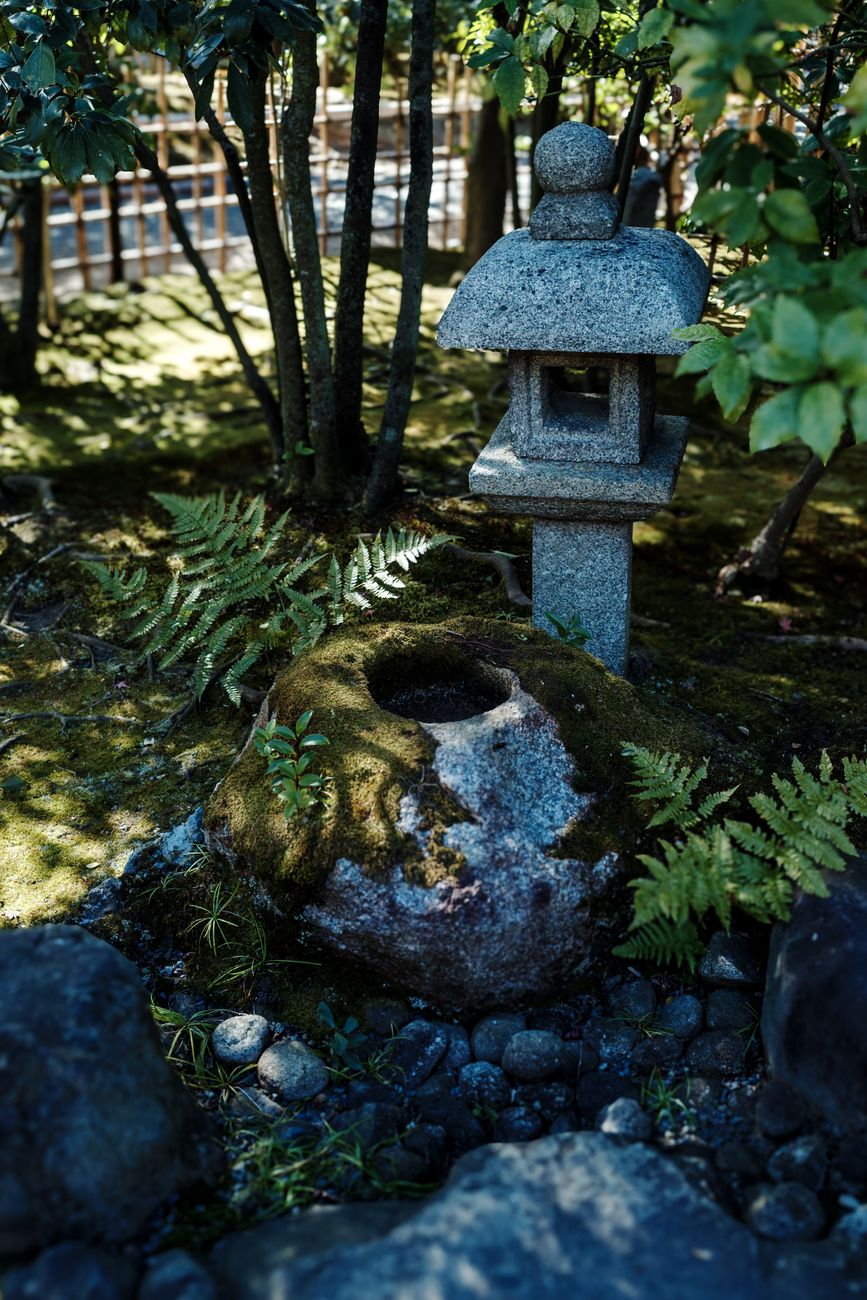
Table of Contents
In the western foothills of Kyoto, far past the crowded corridors of Gion, the morning arrives with the sound of bamboo rakes dragging through fine white river granite. The sound is dry, methodical, and meditative—a tactile calendar marking centuries of Zen monastic routine.
Japanese traditional architecture is governed by the concept of *Ma*—the pregnant pause, the intentional emptiness between objects that grants them dignity. Within an authentic Sukiya-style pavilion, walls do not proclaim their presence; instead, paper shoji screens diffuse the glare of the sun into a gentle, milky aura.
"We find beauty not in the thing itself, but in the patterns of shadows, the light and the darkness, that one thing against another creates." — Jun'ichiro Tanizaki
Kare-sansui: Landscape in Minuscule
At Daitoku-ji temple complex, particularly within sub-temples like Zuiho-in, stones represent craggy islands battling oceanic currents. Yet there is not a single droplet of water. The gravel itself is combed into crests and whirlpools, requiring the viewer to provide the moisture of imagination.
Sitting on the polished cedar veranda (engawa), with chilled tea in hand, time ceases to be an arrow and becomes a pool. One observes moss growing along the porous basalt rock, a living testimony to patience and damp mountain air.
The Beauty of Dim Illumination
Modern architecture frequently seeks total illumination, eliminating shadow as though it were a flaw. Kyoto’s temples remind us that mystery dwells precisely where the eye must strain. In the darkened tea rooms of Uji, unlacquered wood surfaces absorb the light, generating warmth that feels organic and timeless.
To experience this city requires shedding the instinct to check itineraries. It demands sitting still until the temple garden speaks in the gentle rustle of fallen maple leaves.
Explore Private Kyoto Itineraries
Connect with 111111 to arrange private tea ceremony access and temple shukubo stays.
Contact Our Curators